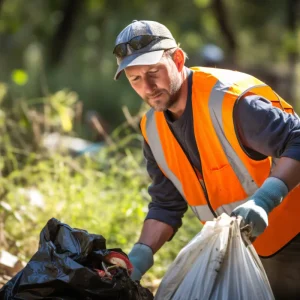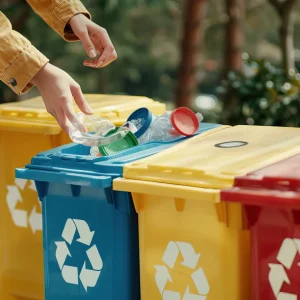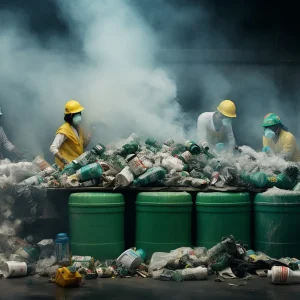


Recycling plays a crucial role in managing the growing global waste crisis by transforming used materials into new products, reducing the need for raw resources, and minimizing environmental damage. As populations grow and consumption increases, recycling has become an essential strategy.
Managing the growing global waste crisis by transforming used materials into new products, reducing the need for raw resources, and minimizing environmental damage. As populations grow and consumption increases, recycling has become an essential strategy for building a sustainable and resource-efficient future
1. Reducing Landfill Waste
One of the primary benefits of recycling is its ability to significantly reduce the volume of waste sent to landfills. Materials such as paper, plastic, glass, and metals can be processed and reused
2. Conserving Natural Resources
Recycling helps conserve natural resources by reusing materials instead of extracting new ones. For example, recycling paper reduces the need for cutting down trees,
3. Reducing Environmental Pollution
Improper waste disposal contributes to air, water, and soil pollution. Recycling reduces the amount of waste that is burned or dumped, thereby lowering harmful emissions
The recycling industry creates jobs in collection, sorting, processing, and manufacturing. It also supports local economies by turning waste into valuable resources, encouraging innovation, and reducing costs associated with raw material extraction.
Result of operating more efficiently
Plastic pollution is one of the biggest environmental challenges globally. Recycling plastic helps reduce the amount of plastic waste in oceans and landfills, preventing harm to wildlife and ecosystems while supporting the reuse of materials.
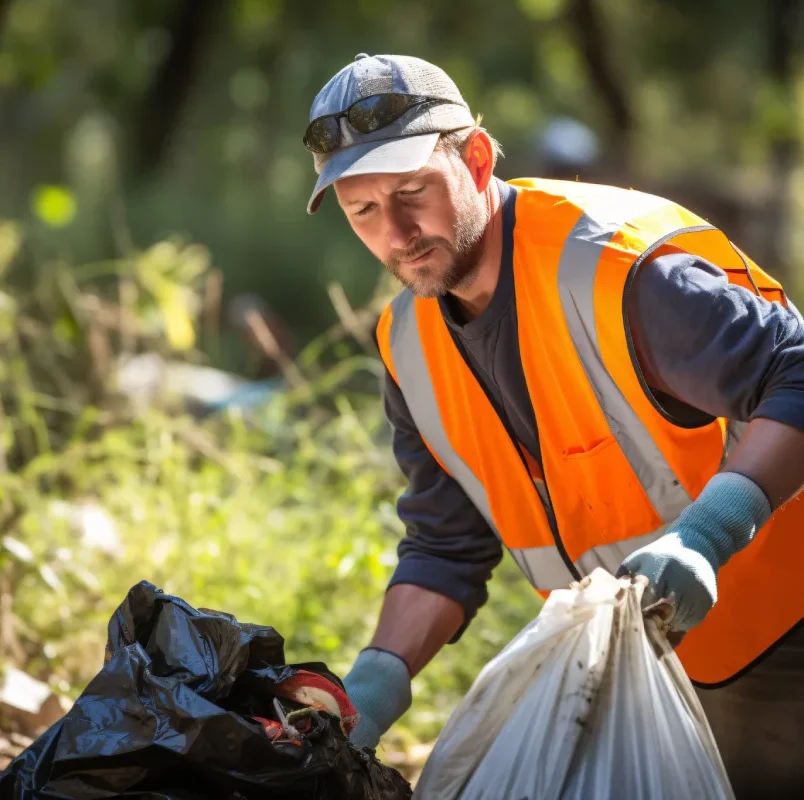
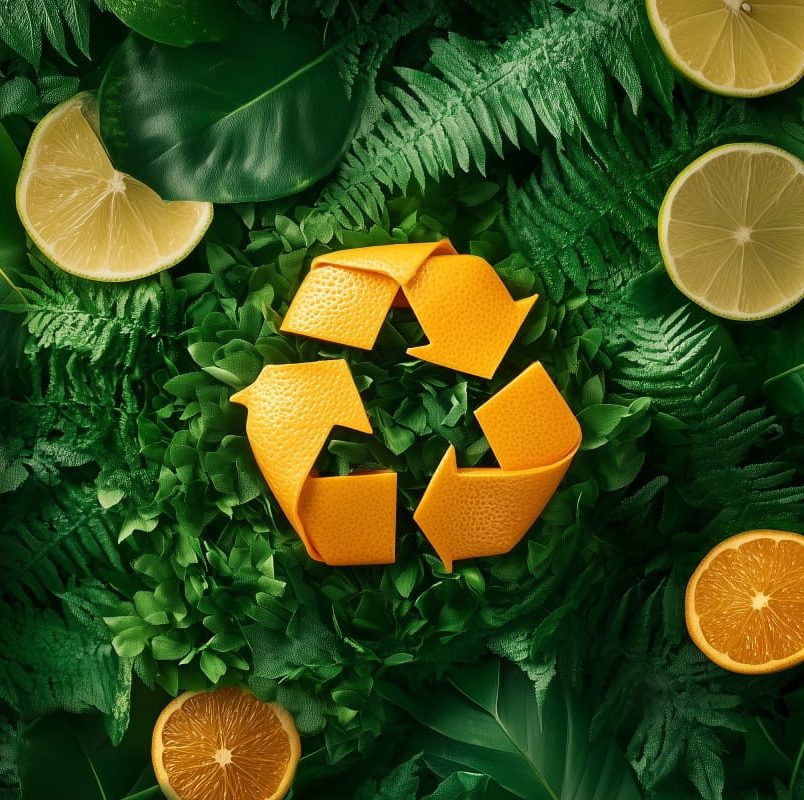
Recycling is more than just a waste management practice—it is a powerful tool for reducing global waste, conserving resources, and protecting the environment. By integrating recycling into everyday life and industrial processes, societies can move toward a more sustainable future where waste is minimized, and resources are used responsibly.
Recycling promotes awareness about waste generation and encourages individuals and businesses to adopt more responsible consumption habits. It fosters a culture of sustainability where people are more mindful of how they use and dispose of resources.